
Ask three agencies to quote you on SEO and you will get three numbers with almost nothing in common. One comes in low enough to feel suspicious, one lands in the middle with a long list of deliverables, and one is priced like a car. All three will describe what they do using similar language, which is precisely the problem.
The word affordable gets attached to the low end, and that is the wrong frame. Cheap SEO is usually expensive, because it produces work you either abandon or undo. Affordable SEO means buying only the parts your business actually needs, at the point in time when you need them, and doing the rest yourself.
Which requires knowing what the parts are, and that is not something most proposals are designed to make clear.
What SEO Is Actually Made Of
Nearly every quote you receive is some combination of these four things, in different proportions.
Technical health. Whether search engines can find, read, and index your site properly. Load speed, mobile behavior, broken links, site structure, security. This is the plumbing, and for most small business sites built on a modern platform in the last few years, it is largely fine already.
Content. Pages and articles that answer what people search for. This is where nearly all the results come from for a small service business, and it is also the most labor intensive, which is why it usually dominates the price when it is included at all.
On-page optimization. Titles, headings, descriptions, and internal links that help a page get understood and ranked. Mechanical work, learnable in an afternoon, and genuinely useful.
Authority and links. Other sites referencing yours, which search engines treat as a credibility signal. Slow to build honestly and the source of most of the expensive line items on a proposal. It is also where the sketchier corners of the industry live, since links can be bought and buying them ranges from ineffective to actively damaging.
The proportions matter enormously. A proposal weighted toward link building is selling you something quite different from one weighted toward content, and the second is usually what a small service business needs.
What Your Business Actually Needs
Here is the part that changes the math. A local service business, a consultancy, or a small firm competing in a narrow area does not need the same thing as a national brand fighting over high volume terms.
You are usually competing for specific, lower volume searches where the competition is thin. Someone typing a detailed question about a specific situation is not being fought over by companies with SEO budgets. She is finding whoever answered the question properly.
That reality collapses the requirement considerably. You need a technically sound site, pages that answer real questions thoroughly, and basic on-page work done consistently. Aggressive link building, competitive analysis across dozens of terms, and monthly reporting suites are largely aimed at a different kind of competition.
There is a volume consideration too. A firm that needs 12 clients a year does not need thousands of visitors, which means a handful of pages ranking for narrow terms can be sufficient. That is a fundamentally different project from what most SEO packages are designed to deliver, and it should cost fundamentally less.
Insider Tip from Andrea
If your buyers are a specific kind of person with a specific problem, the search terms that matter to you are probably ones nobody is optimizing for. That is the entire opportunity for a small business. You are not going to outrank a national site for a broad term, and you do not need to, because the person typing the broad term is rarely your client anyway.
What You Can Reasonably Do Yourself
More than most people expect, and this is where the affordability actually comes from.
Writing the content. Not the polish necessarily, but the substance. You know what your clients ask and how you answer, which is the hard part. This is the single largest line item in most SEO proposals and the one you are best positioned to supply.
On-page basics. Writing a clear title and description for each page, using headings properly, linking between related pages. This is genuinely learnable and takes minutes per page once you know the pattern. It is also the sort of thing that gets billed at agency rates precisely because it looks technical from the outside.
Your Google Business Profile. If location matters to your business, filling this out completely, keeping hours current, and adding photos is free and does real work. It is also frequently neglected, which means a complete profile can outperform a competitor with a better website and an abandoned listing.
Topic selection. Nobody knows better than you what your buyers ask, and the questions from your last 10 discovery calls are a better keyword list than most tools will generate, because a tool can estimate volume and cannot tell you which searches come from people who would actually hire you.
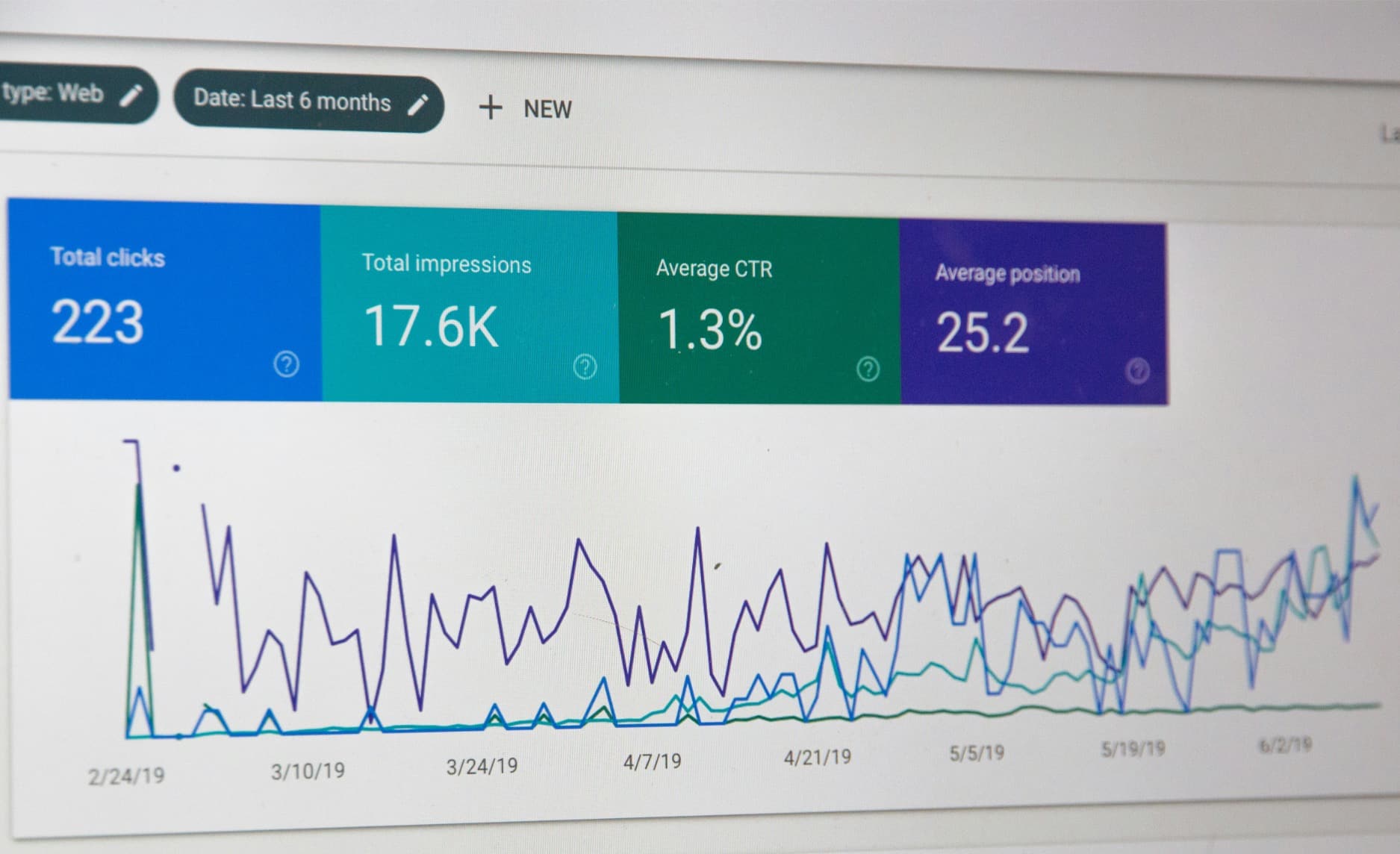
Basic monitoring. Google Search Console is free and shows what people search before landing on your site. Checking it monthly tells you more than most paid reports, and it frequently surfaces questions you had not thought to answer, which becomes your next article.
What Is Worth Paying For
Equally honest about the other direction.
A technical audit, once. Having someone qualified check that nothing is fundamentally broken is worth a one-time fee, particularly if your site was built years ago or has been through migrations. Recurring technical work rarely earns its keep on a small site, since a site that is not changing much does not develop new technical problems at a rate worth monitoring monthly.
Writing help, if writing is the bottleneck. If content is what produces results and you are not producing content, paying someone to turn your thinking into finished pieces is the highest-return spend available. Note that this is writing help rather than SEO, which is part of why the categories blur on proposals. It is worth being clear with yourself about which one you are buying, because the skills are different and so are the going rates.
Keyword research, once, if you want it. A proper look at what your buyers search and what the competition looks like is useful. It is also a project rather than a subscription, and the findings stay relevant for a long while in most industries.
Strategy, if the direction is unclear. Knowing which 10 pieces to write is worth more than having 30 written. That is a defined engagement, not an ongoing cost, and the output should be a document you can execute against with or without the person who produced it.
Did You Know?
Andrea’s take: The most common overspend in small business SEO is paying a monthly retainer for work that is genuinely finite. Technical fixes, site structure, and keyword research are projects. Once they are done, they are done, and continuing to pay monthly for them means paying for reports about work that finished in month 2.
How to Read a Proposal
A few things worth checking before you sign anything.
What share of the fee is content? If it is small, ask what is producing the results. For most small businesses the answer should be content, and a proposal weighted elsewhere may be selling you activity rather than outcomes. Activity is easy to report on, which is part of why it dominates so many proposals.
Is the work finite or ongoing? Separate the two on the page. Anything finite should be priced as a project, and continuing to pay for it monthly is how retainers outlive their usefulness without anyone noticing.
What does the reporting actually show? Traffic and rankings are inputs. Inquiries are the outcome. A report full of impressions and average positions can look excellent while the business changes not at all.
What is the expected timeframe? Anyone promising results in weeks is either misunderstanding the work or misrepresenting it. Six to twelve months is realistic, and a provider willing to say so is telling you something useful about their honesty. The same applies to guarantees. Nobody controls search rankings, so anyone guaranteeing a position is either guaranteeing something meaningless or overstating their influence.
What happens if I stop? Content you own keeps working. Rented tactics stop the day you stop paying. Knowing which you are buying tells you what you actually own at the end of the engagement, which is worth establishing before it begins rather than after.
The Low End Problem
Cheap SEO packages tend to fail in predictable ways, and it is worth knowing the shapes.
The volume approach delivers a large number of short, thin articles produced quickly, aimed at terms nobody meaningfully searches. It generates a report showing activity and produces nothing, because thin content does not rank and would not convert if it did.
The link approach acquires links from places that exist to sell links. This ranged from ineffective to actively harmful depending on the sources, and cleaning it up afterward costs more than the original package did.
The template approach applies identical on-page changes to every client regardless of business. It does not damage anything and it does not accomplish much either, since the parts of SEO that matter for a small firm are the parts that require knowing the business, and a template by definition does not know anything about yours.
None of these are scams exactly. They are what becomes possible at a price point that cannot cover the work that actually produces results, which is thoughtful content built on real expertise.
The useful test before signing anything cheap: ask how many hours of actual work the fee represents, and at what rate. If the arithmetic does not support a person spending meaningful time on your business, the package is either automated, templated, or offshored to someone who will never speak to you. Any of those can be acceptable if you know that is what you are buying. The trouble comes from expecting strategic thinking at a price that cannot include it.
A Reasonable Budget Approach
If you are starting from very little, a sequence that works:
Spend once on a technical check so you know nothing is fundamentally broken. Learn the on-page basics yourself, since they take an afternoon and apply to everything you publish afterward. Write the answers to the questions your buyers actually ask, or pay someone to turn your recorded explanations into finished pieces if writing is the bottleneck. Fill out your Google Business Profile properly. Then watch Search Console every month or so and let the work accumulate.
That covers most of what a small service business needs, and the recurring cost is either zero or the price of writing help.
The part that trips people up is patience rather than money. This approach produces very little in the first few months and then compounds, which feels wrong compared to paid traffic where spending produces immediate visible activity. The tradeoff is that the article you publish this quarter is still bringing people in 2 years from now, while the ad stops the day the card declines.
Where to Start
Before spending anything, write down the 10 questions you answer most often on calls. That list is your content plan, and it is more valuable than most keyword research because it comes from your actual buyers rather than from a tool estimating volume.
Then handle the technical basics, which is the part most owners skip because it feels like it requires an expert. Much of it does not, and the parts that genuinely do can be handled once rather than subscribed to.
The Get Found Faster Checklist walks through the search and AEO fixes that matter most for a small business, in order, with the parts you can do yourself marked clearly. Most of it takes an afternoon, and doing it before you hire anyone means you will know exactly what you are paying for and what you have already handled.